Embracing the Intertwined Nature of Joy and Sorrow
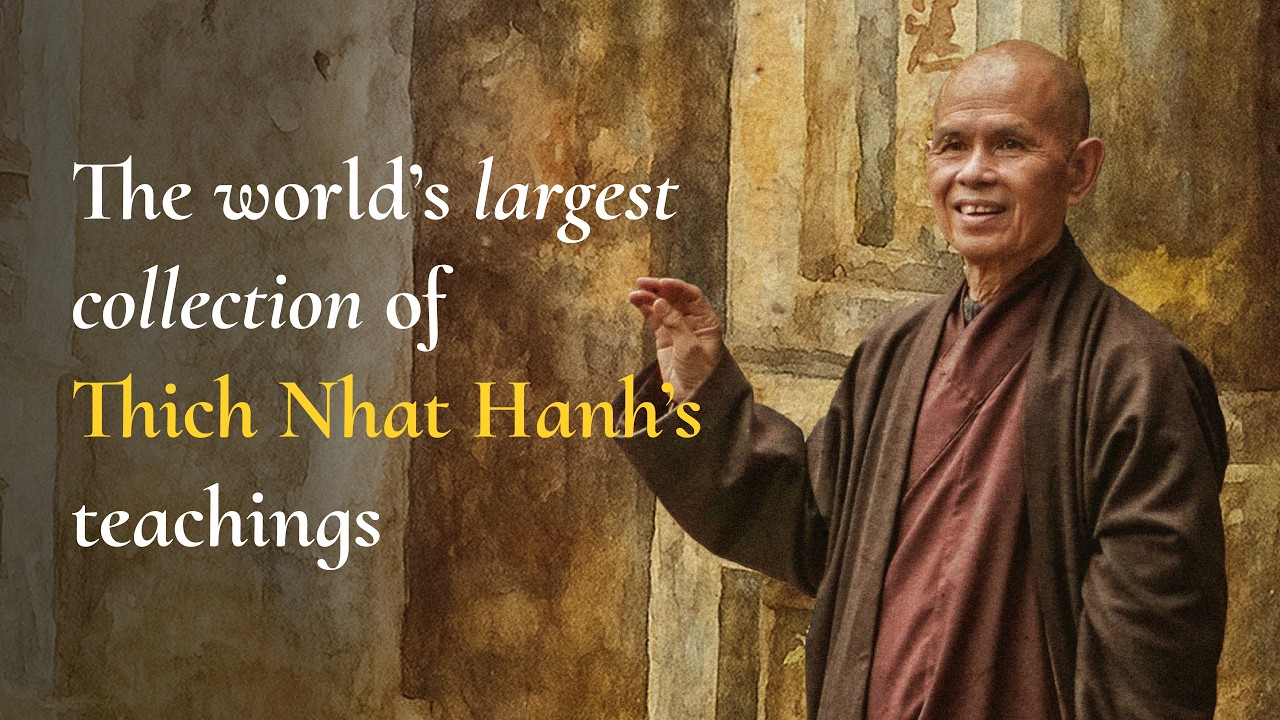
Thich Nhat Hanh's profound observation, "The seed of suffering is in the seed of happiness, and the seed of happiness is in the seed of suffering," invites us to explore the intricate relationship between joy and pain. This statement challenges our conventional understanding of these two states, suggesting that they are not merely opposites but rather deeply interconnected. Recognizing this duality is essential for cultivating a more profound sense of peace and wisdom in our lives, as it encourages us to embrace the full spectrum of human experience.
In a world often driven by the pursuit of happiness, we may overlook the valuable lessons that suffering can impart. Thich Nhat Hanh's words remind us that each experience, whether joyful or painful, carries within it the potential for growth and understanding. By acknowledging the interplay between these two states, we can cultivate a more resilient spirit, one that finds peace even amidst turmoil. This perspective not only enriches our personal journey but also fosters compassion for others who navigate their own struggles.
The image / the metaphor
The imagery in Thich Nhat Hanh's quote evokes the natural cycle of growth and decay found in nature. Just as a seed contains the potential for both a flourishing plant and the eventual decay that nourishes the soil, our experiences of happiness and suffering are intertwined. The verbs "is" and "in" suggest a deep, intrinsic connection, emphasizing that one cannot exist without the other. This metaphor invites us to reflect on how our moments of joy often arise from the ashes of past pain, and conversely, how our suffering can lead us to appreciate the fleeting nature of happiness.
In the speaker's tradition
Thich Nhat Hanh's teachings are deeply rooted in Zen Buddhism, where the concepts of interdependence and impermanence play a central role. The idea of "sunyata," or emptiness, reflects the understanding that all phenomena are interconnected and lack inherent existence. This perspective encourages us to see beyond the dualities of happiness and suffering, recognizing that they are part of a larger whole. By embracing this interconnectedness, we can cultivate a sense of compassion for ourselves and others, understanding that we all share in the human experience of joy and sorrow.
In his work, Thich Nhat Hanh often references the concept of "interbeing," which emphasizes that our existence is contingent upon the existence of others. This idea resonates with the quote, as it highlights the notion that our happiness is often rooted in the suffering of others and vice versa. In his book "No Death, No Fear," he illustrates this interconnectedness through the lens of mindfulness, urging us to cultivate awareness of our thoughts and emotions as they arise. By doing so, we can transform our suffering into a source of wisdom and compassion.
Living the teaching
Consider a modern scenario where this teaching resonates: a person experiences a significant loss, such as the death of a loved one. In the midst of their grief, they may find moments of joy in cherished memories or the support of friends and family. This interplay of suffering and happiness illustrates Thich Nhat Hanh's insight, as the pain of loss can deepen one's appreciation for the love shared and the beauty of life itself. By acknowledging the presence of joy within sorrow, individuals can navigate their grief with greater resilience and understanding.
Another application of this teaching can be found in relationships, particularly during conflicts. When disagreements arise, it is easy to become entrenched in feelings of frustration or anger. However, recognizing that these challenging moments can lead to deeper understanding and connection can transform the experience. By embracing the discomfort of conflict, partners may discover new dimensions of their relationship, ultimately fostering a more profound sense of love and compassion for one another. This practice of seeing the seeds of happiness within suffering can enrich our connections and promote healing.
A reflection
As we contemplate Thich Nhat Hanh's quote, we are invited to explore the intricate dance between joy and sorrow in our own lives. How can we cultivate a deeper awareness of the ways in which our experiences of suffering may lead us to greater happiness, and vice versa? This reflective question encourages us to embrace the fullness of our emotional landscape, fostering a sense of peace and wisdom as we navigate the complexities of existence.